
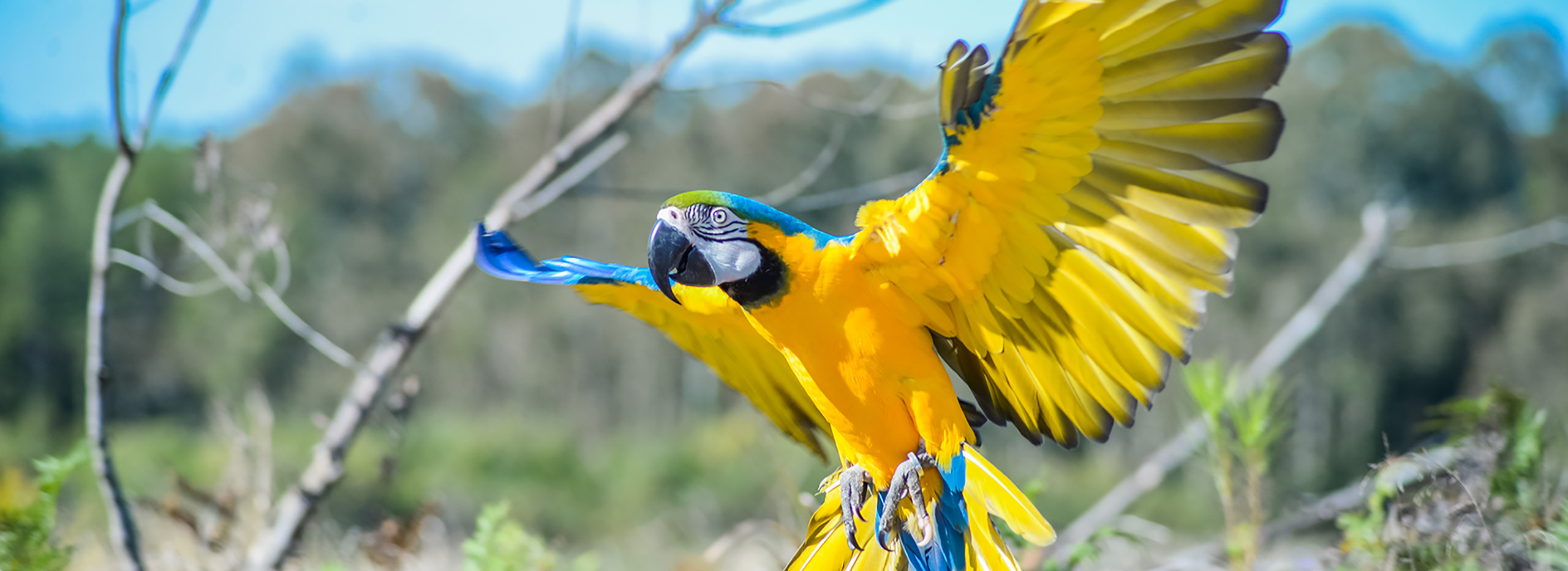
The Zoo boasts a very varied bird collection that includes cranes, ducks and geese, parrots, finches, doves and thick-knees. The grounds are also host to a variety of wild birds including fairy wrens, honeyeaters and banded rails. Look out for keepers in the aviaries who can provide great information about the birds.

Birds


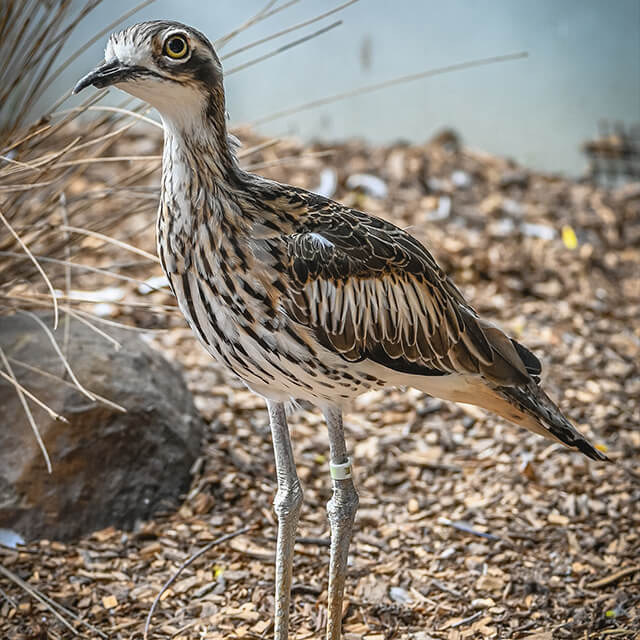
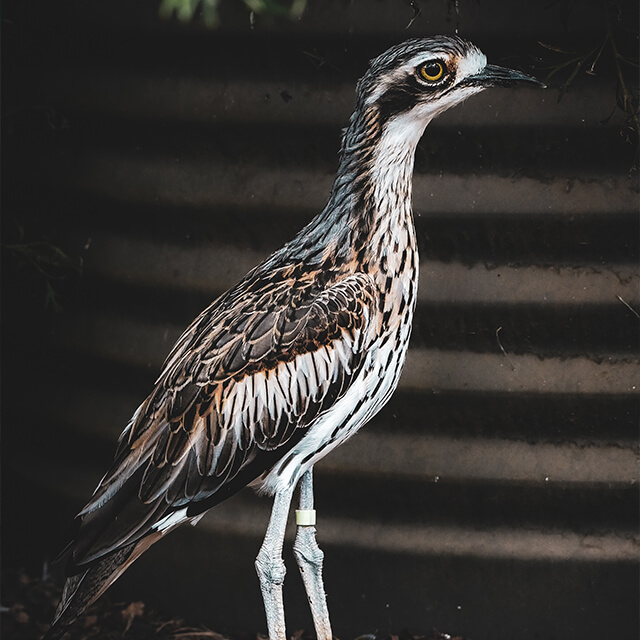
Bush Stone Curlew
The Bush Stone-curlew (Burhinus grallarius) is a large, ground-dwelling bird of extraordinary grace and beauty. It is endemic to Australia and nearby islands. It was formerly known as the Bush Thick-knee.
Threats to the bush stone-curlew include:
- predation by foxes and cats
- trampling of eggs by cattle
- clearance of woodland habitat for agricultural and residential development
- modification and destruction of ground habitat through removal of litter and fallen timber, introduction of exotic pasture grasses, grazing and frequent fires disturbance in the vicinity of nest sites.
Numbers have declined greatly over the last century. The bush stone-curlew is now endangered in NSW and were once widely distributed in Victoria. Sadly, they have suffered a significant decline, and it is estimated there are fewer than 300 breeding pairs left on the Northern Victorian Plains where it is now listed as critically endangered. One of the main problems affecting this ground-dwelling bird is that their chances of breeding successfully are very low. Curlew eggs and young are particularly vulnerable to predation by foxes and cats.
A stone-curlew working group bred and released a total of 85 young bush stone-curlews over 8 releases at two locations in southern NSW from 2008 to 2017. The group conducted the first successful release of bush stone-curlews in Australia and has been the driving force behind the establishment of numerous other similar programs across southeastern Australia. Many of the birds from these early releases have survived and been found breeding in the wild where predator control has been implemented and suitable habitat exists.
There is a managed captive breeding programme, which our birds from part of, and there are plans to release some of the offspring into suitably managed natural areas. While they are generally reliable breeders, it can take some pairs a few years to settle and breed successfully.
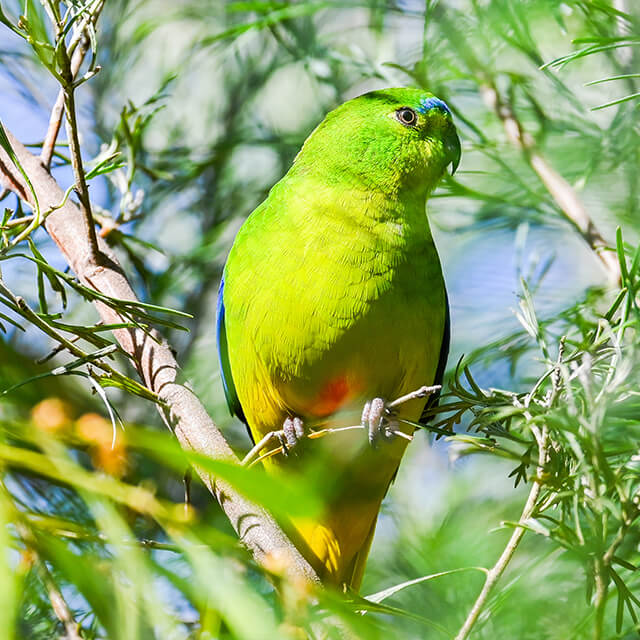
Orange-bellied Parrot
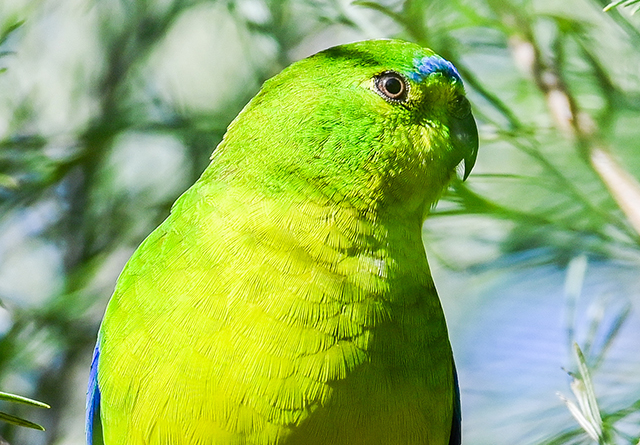
A small migratory parrot that crosses the sea on its migration, Orange-bellied Parrots breed in south-west Tasmania in the summer and migrate to the coast of south-east mainland Australia for the winter. The migration route includes the west coast of Tasmania and King Island. They spend much of their day either on or close to the ground and often while a group is feeding, they will take it in turns as a sentinel to sit on a high perch to check for dangers such as hawks.
In summer, soon after arriving back in the melaleuca area in southern Tasmania, pairs begin to form and seek out nest sites. They nest in tree-hollows in trunks and holes in dead branches with pairs known to return to the same nest site for many years. When a female accepts a nest site, she will spend up to a week in the nest preparing it for her brood. During this time, while she incubates and when the chicks are small, the male feeds the female on the nest. When chicks are about ten days old, both parents forage and return to the nest to regurgitate food for the young.
A captive breeding program, which was initiated with birds recruited from a small wild population, has focussed on understanding the birds’ behaviour and dietary needs to boost the production of offspring. The preparation of birds for release into the wild has included teaching the birds to feed on the favoured wild plants utilised by the wild birds and fitness training for life in the wild.
Decline in extent and quality of coastal salt marsh habitat, because of development, agriculture and interference with water systems has impacted the species’ mainland wintering habitat. As they forage on the ground, they are likely to be predated by foxes and feral cats on the mainland. Lack of natural burns at the breeding site has impacted native food resources there. Infectious disease outbreaks are also a threat to their population.
Due to the efforts of a range of optimistic and dedicated conservationists the wild population has risen to over 80 birds returning to nest in December 2023. Annual releases have occurred for many years with birds released both at the breeding grounds in Tasmania and along the Victorian coastline. During the mainland release birds are fitted with a radio transmitter and their movements and survival tracked by dedicated volunteers. To assist the valuable breeding females, they have also been assisted in their migration by flying them back to their breeding grounds by aeroplane. Conservation staff have also provided many artificial nest boxes in their breeding grounds which the birds are using well.
A significant captive breeding program that includes a variety of partners and zoos now manage a captive population of over 500 birds.
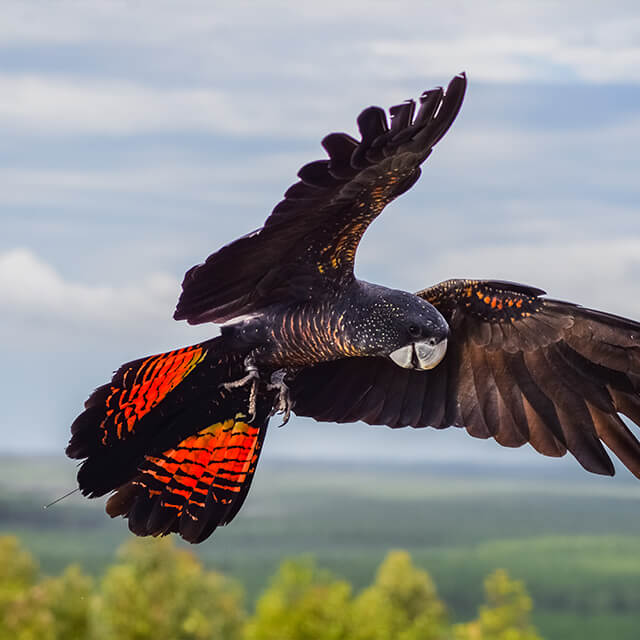
Red-tailed Black Cockatoo
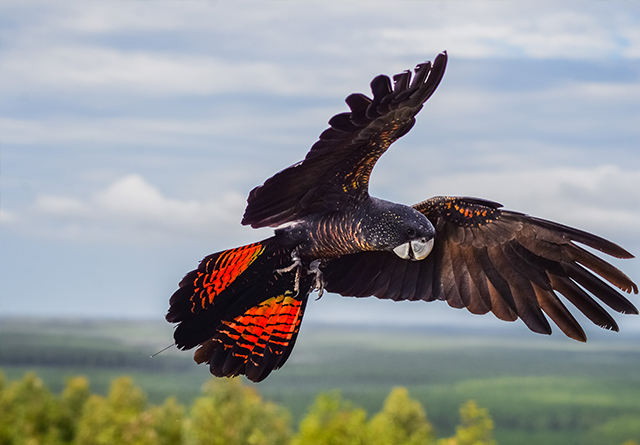
Of the Latin genus Calyptorhynchus which in Greek means hidden beak, with the beak often well tucked into surrounding feathers. There are five subspecies occurring in eight discrete populations. The South-eastern sub-species occurring on the SA/VIC border area is the focus of a Birdlife Australia conservation recovery programme involving private landowners with habitat restoration and artificial nest boxes. Favoured seeds are those of eucalypts, casuarinas, acacias and banksias.

Blue and Gold Macaw
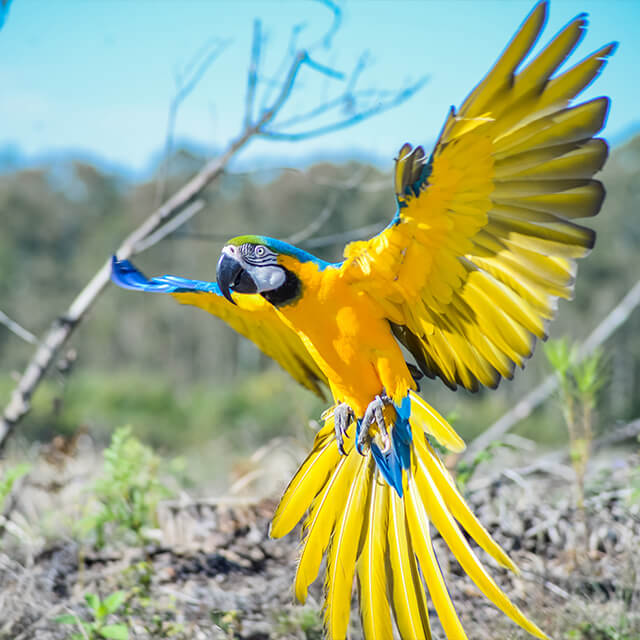
Blue-and-gold macaws form close-knit groups in the wild. They are gregarious and will spend time together with others in their flock, playing, bathing, and hunting for edible fruit in the forest. Macaws tend to enjoy being with their flock mates but during the breeding season, they do partner off to raise their young. Macaws have zygodactylous feet, 2 toes that point forward and 2 that point backward, ideal for climbing and perching. Blue-and-gold macaws eat mainly nuts, seeds, and fruits. Their strong beaks are used to crush seeds and break open nut shells. Sometimes they consume clay from riverbanks to help them digest toxins from unripe seeds they have eaten. These birds communicate with each other by loud screaming and squawking calls to communicate a warning about predators, for attracting mates and to protect their territory. Body language is important e.g., if clicking and grinding the beak while raising the wings and with dilated pupils it is aggressive behaviour, it’s a warning sign to keep clear. Breeding pairs remain bonded for life and will return to the same tree hollow year after year to breed.

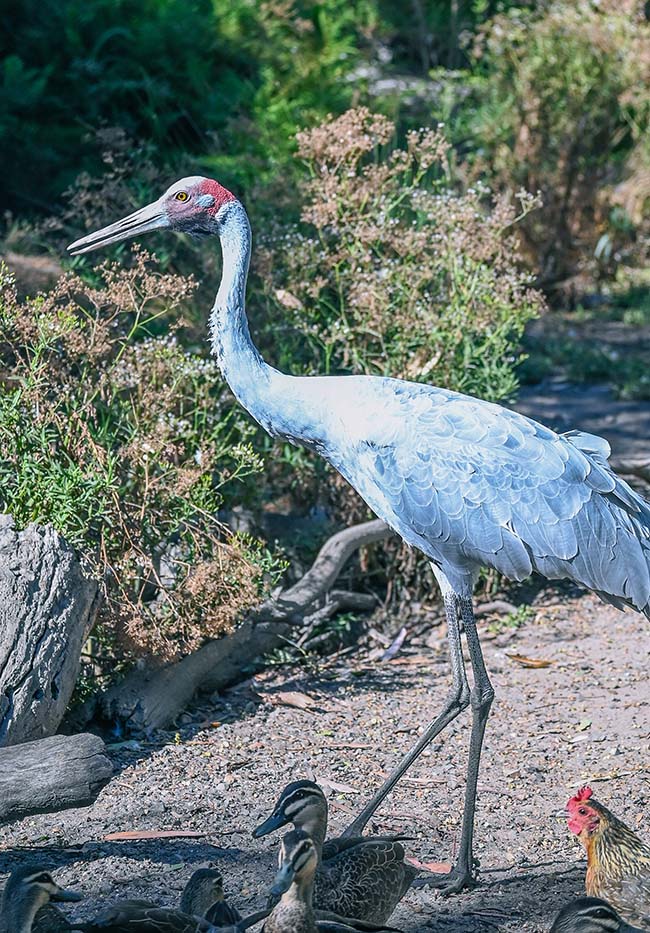
Brolga
The Brolga is found across tropical northern Australia, southwards through north-east and east central areas, as well as central New South Wales to western Victoria. They inhabit a wide variety of habitats, often associated with wetlands but can occur in dry country too. They are omnivorous, feeding on both vegetable and animal matter. It is thought that brolgas mate for life, and pair bonds are strengthened during elaborate courtship displays, which involve much dancing, leaping, wing-flapping and loud trumpeting. An isolated territory is established and is vigorously defended by both partners.

Black-headed Caique
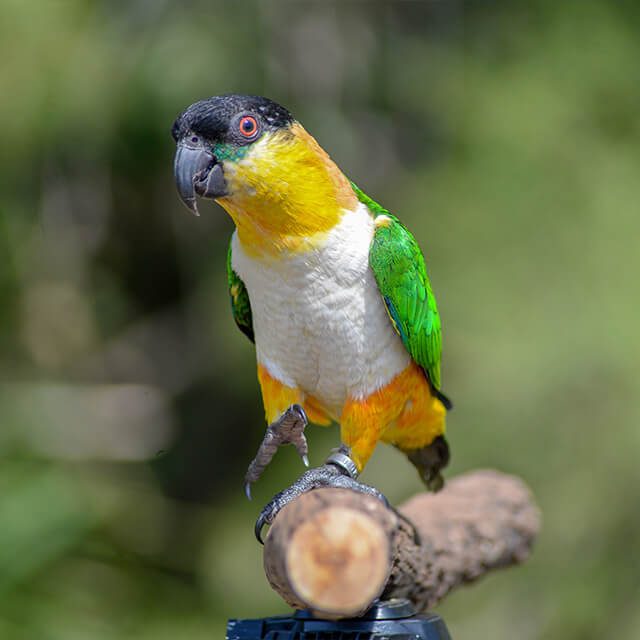
Pronounced the same as the cake we like to eat, the word “”caique”” comes from the indigenous Tupi language from Brazil, meaning “”aquatic bird.”” These birds enjoy bathing and they play, bounce and roll in wet leaves and rain while calling with excitement. This excitement is contagious for the flock and is why some call them clown parrots. Overconfident for their size, noisy flock members join to call frantically and chase away predators. Caique’s nest in a tree hollow which the pair will spend a few weeks preparing by chewing up the soft wood in the cavity that creates a soft bed of sawdust for the eggs and later the chicks. This sawdust also helps absorb the moisture from the chicks droppings.

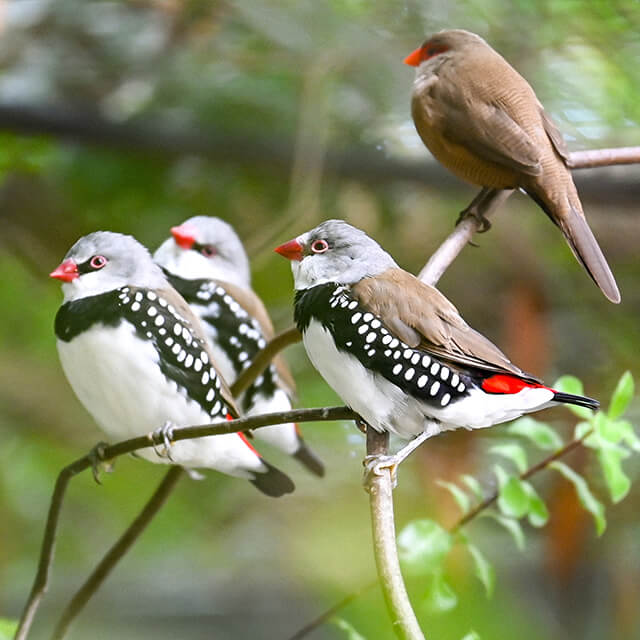
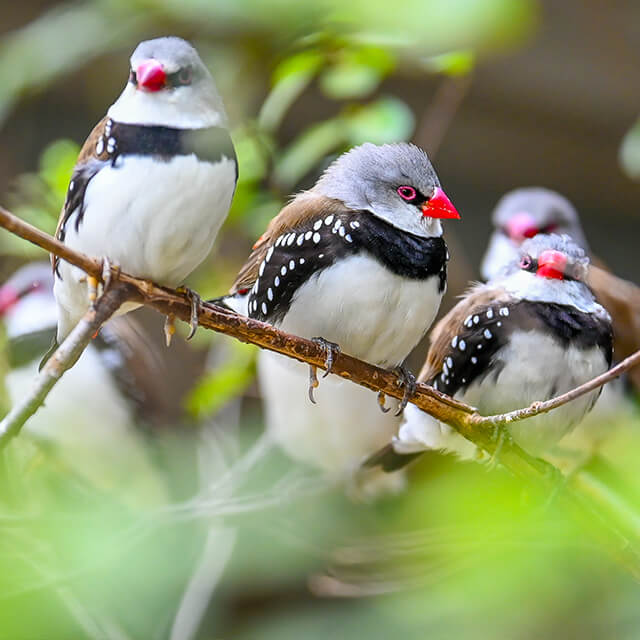
Diamond Firetail
They occur from southeast Queensland, west of the dividing range to South Australia. Not uncommon in the Grampians region and have been recorded in our zoo grounds. They occur in open woodland and amongst scattered thickets where they feed on grass seeds on the ground. The Diamond Firetail builds a nest with green grass blades and stems and lines it with fine grasses and feathers. Both partners incubate the eggs and care for the young. The chicks are extremely vocal and can be heard from some distance. Diamond Firetails have been adversely affected by clearing for agriculture and urban development. Their conservation status is listed as vulnerable. The zoos population is thriving with a number of young raised every season.

Follow us @hallsgapzoo
✨️✨️✨️Fast Fact Friday✨️✨️✨️
Let`s learn about Jungle Fowl!
🐓 All domestic Chickens evolved from Jungle Fowl. Like Dogs did from Wolfs.
🐓 Junglefowls are omnivores feeding mainly on seeds, roots, fruits and invertebrates.
🐓 Jungle fowl perform a coutship behaviour known as tidbitting, in which the male will repeatedly pick up and drop food before offering it to the female.
Come down and see how many Jungle Fowl chicks you can spot. Tickets avaliable on our website now.


Merry Christmas to you all, the whole Zoo crew wish you a day filled with laughter, friends and family.
Our keepers have been working as hard as Santa’s elves by creating enrichment to share their favourite holiday traditions with their animals. How many do you recognise? 🎁🎄🍪 What’s your favourite tradition when the season rolls around?
We hope you all have a safe and happy Christmas Day with your loved ones! We will see you back at the Zoo on Boxing Day (open 10am-5pm).
#christmastraditions #animalenrichment #zoofun

Shhh… 🤫
We’ve been keeping a secret… and it’s very good at blending in 👀💚
Keepers are sooo excited to announce that our fossil cave is now home to a Chameleon and a Green Tree Python
You might not spot them straight away but trust us, they’re here and they are stunning 😍 keepers and volunteers have done an incredible job on their enclosures.
Keep your eyes peeled on your next visit✨
#hallsgapzoo #greentreepython #chameleon #newadditions

🎄We will be closed on Christmas🎄
We are open every day all year round 10am - 5pm except for Christmas Day.
Dont worry though, our keepers will still be here making christmas day just as special for our animals too! ✨️🎄🦒
#hallsgapzoo #visitgrampians #visitmelbourne #christmas

✨️✨️✨️Fast Fact Friday ✨️✨️✨️
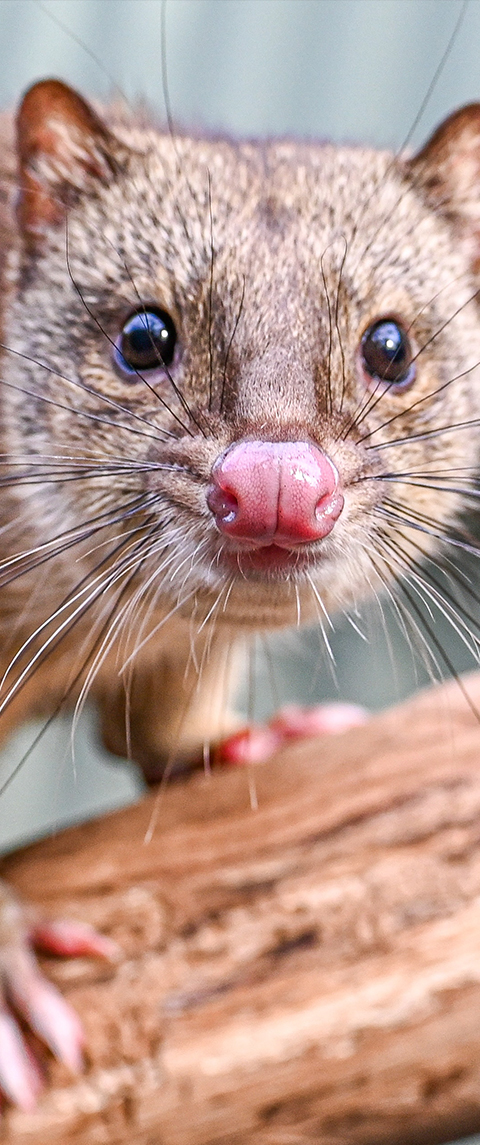
Learn about Spotted-tailed Quolls!
🐾 Quolls are only the size of a grain of rice when they are born!
🐾 Quolls have the second stongest bite force compared to their body size of all predatory mammals after the tasmanian devil.
🐾 Quolls have quite large home ranges, travelling up to 6 kilometres a single night in search of food.
Can you spot our Spotted-tail Quolls? Give it a go today. Tickets avaliable on our website now!
#spottedtailquoll #dasyurusmaculatus #hallsgapzoo #visitgrampians #visitmelbourne

Will there be someone that chews like this at your Christams Lunch this year?
This is Shardul, thoroughly enjoying his panda mash. Lip smacking is cute, but only when animals do it.
Let us know your favourite Christmas Dish in the comments below ⬇️
#hallsgapzoo #visitgrampians #visitmelbourne #christmas #holidayseason #festiveseason

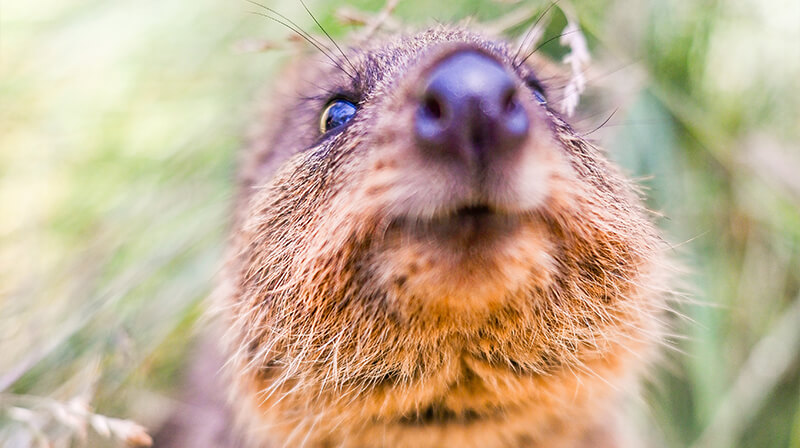
It’s a….Quokka
We are hopping with excitement to introduce Rooster our new male Quokka who has come to us as part of the breeding program.
Stay tuned for cuteness overload as Ember and Rooster start getting to know each other.
#hallsgapzoo #quokka #conservation #schoolholidays

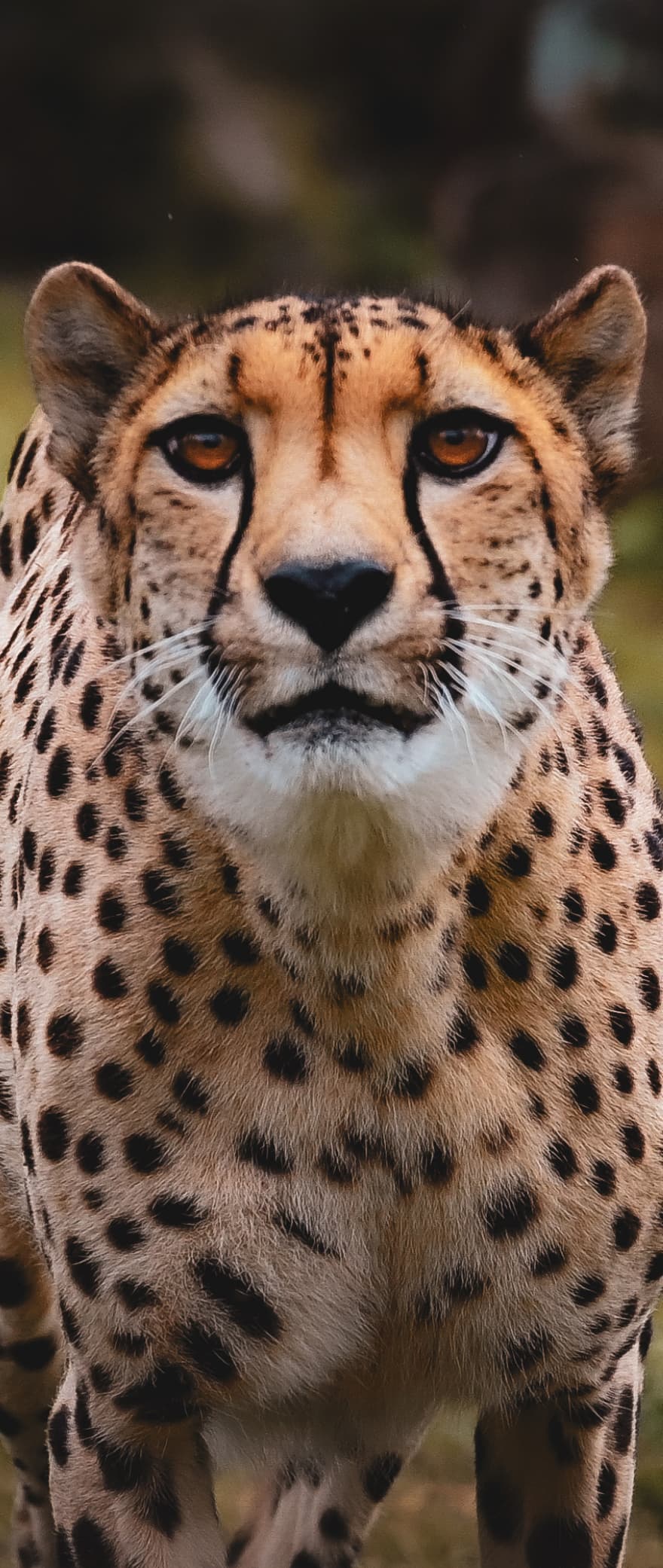
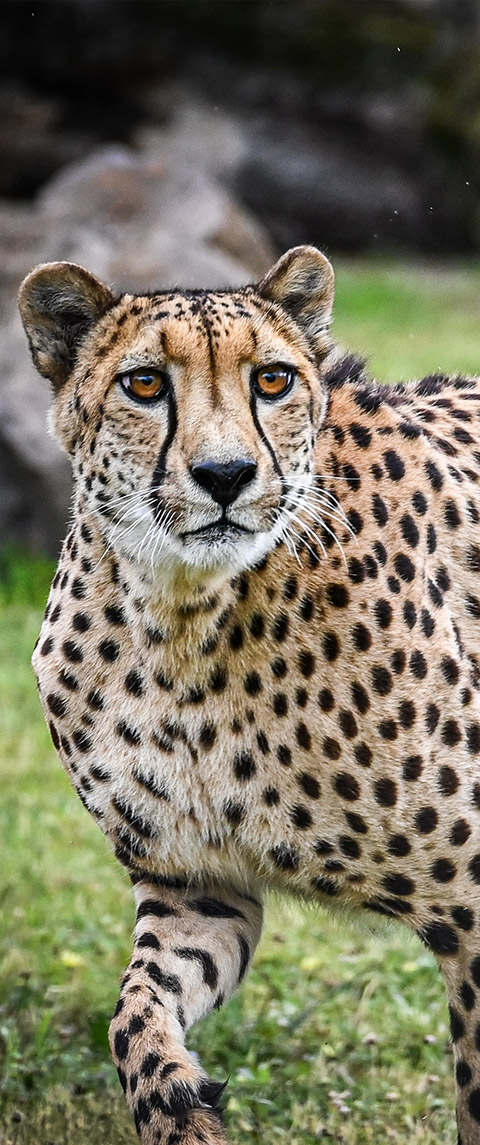
Do you know someone who is obsessed with cheetahs? 🐆
Gift them with the perfect unforgettable experience this holiday season with a Cheetah Encounter. 🎁🎅
Head behind the scenes to get up close and personal with the fastest land animal on earth!
Experience cuteness aggression when you hear a cheetah chirp for the first time.
Book on our website now for an intimate and exclusive experience limited to two people per day on Wednesdays, Thusdays, Saturdays and Sundays.
Check out these absolutely stunning shots captured by Keeper Darci 🤩🤩
#hallsgapzoo #visitgrampians #visitmelbourne #cheetah #cheetahencounter

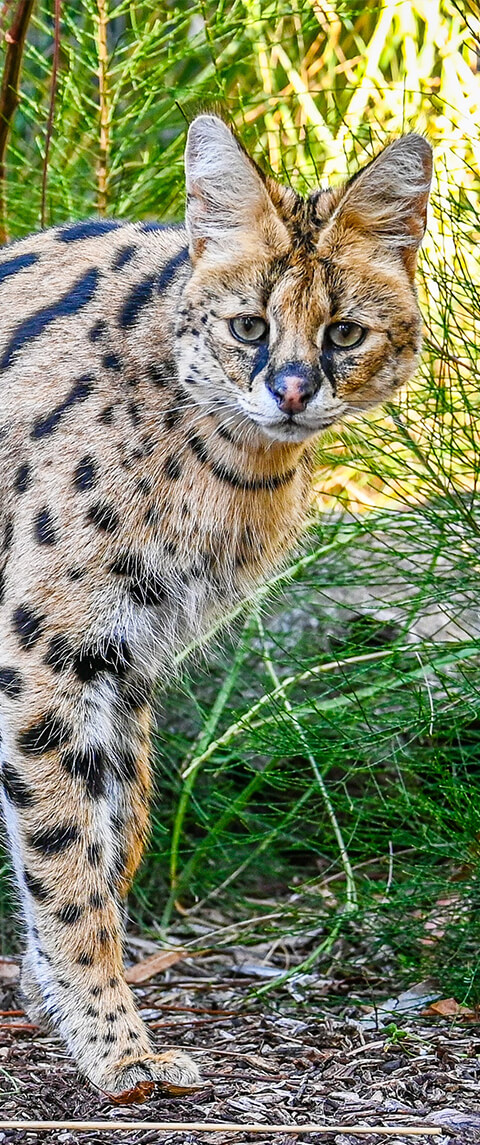
We think Zuri is the Cutest Cat out there! Here are some of our favourite photos of her. 😻🫶
Who is your favourite animal at the zoo? Share your best pics in the comments below and tell us why!! ⬇️⬇️
#hallsgapzoo #serval #leptailurusserval #visitgrampians #visitmelbourne

✨️✨️✨️Fast Fact Friday✨️✨️✨️
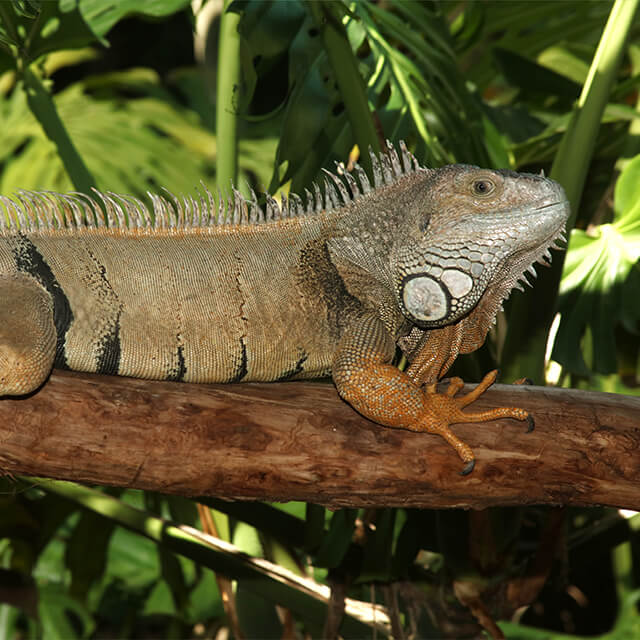
Todays Fast Fact Friday is all about Green Iguanas!
🦎 Green Iguanas can voluntarily drop their tails in order to escape predators. This is known as caudual autonomy.
🦎 Green Iguanas are able to leap down from trees that are 15 meters tall without injury! Their bodys are built to absorb the shock, utilising their back legs to grab onto tree branches to lessen the fall.
🦎 Green Iguanas will extend the flap of skin underneath their chin, known as a dulap, as a form of non-verbal communication. Their dulap is used to thermoregulate, ward off predators and to impress the ladies.
Come down today to meet Shrek, our resident Green Iguana, in person. Book your tickets on our website now!
#greeniguana #iguanaiguana #hallsgapzoo #visitgrampians #visitmelbourne

The Festive Season is all about Family. Make some special memories this holidays here at Halls Gap Zoo. 👨👩👧👦👪👩👦
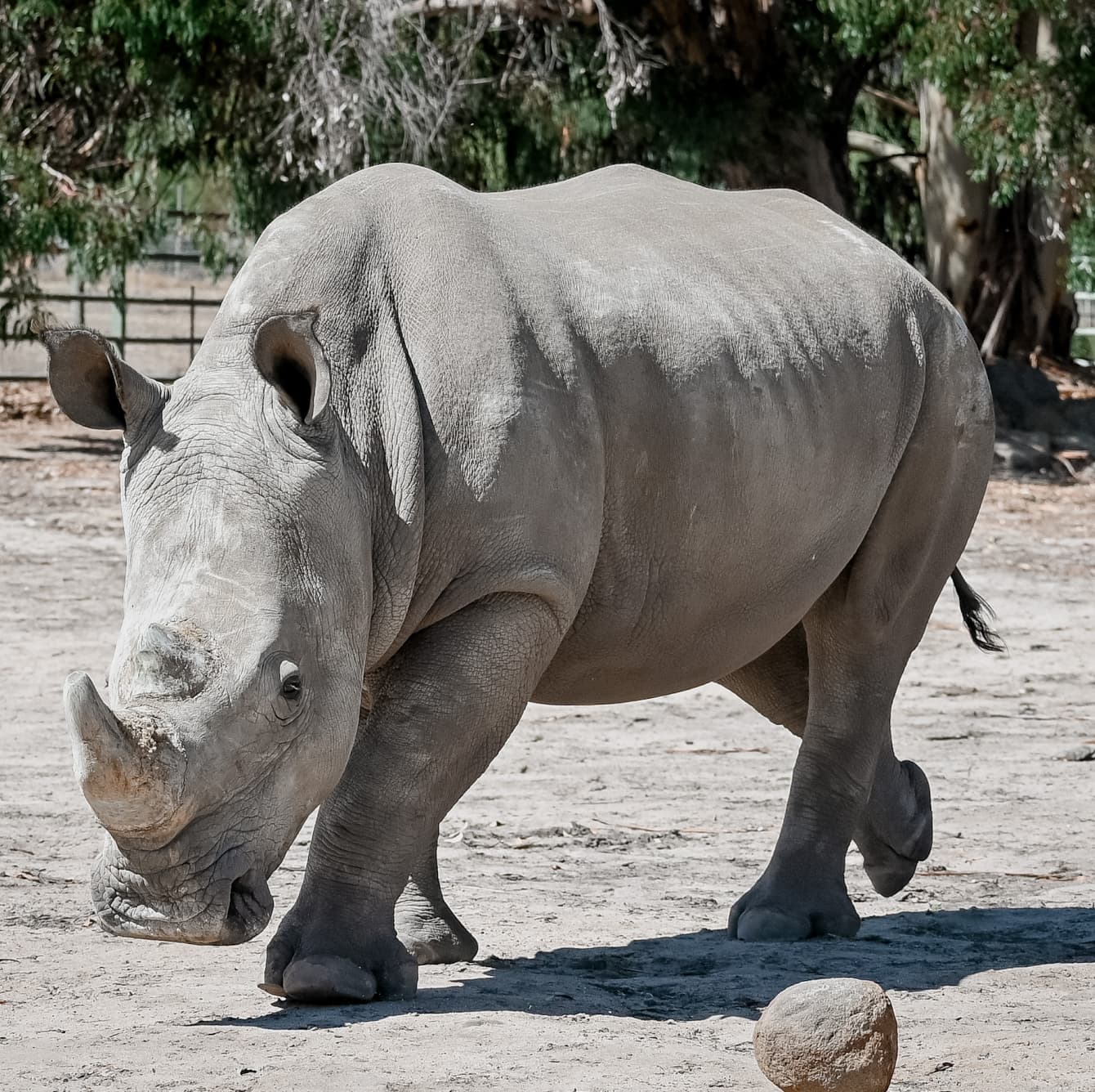
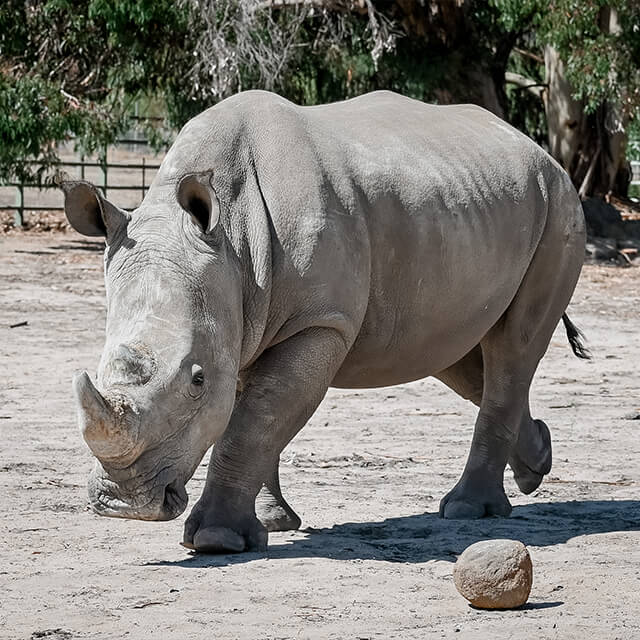
Explore our magical property set in the heart of the Grampians National Park where you will see many wild native species as well as over 120 different species from all around the world, ranging from our largest, the Southern White Rhino, to our smallest, Australia`s own Green Tree Frog. 🎄🎁🎅
Go to our Website to book your Tickets Now!
#hallsgapzoo #visitgrampians #visitmelbourne #christmas #holidayseason #festiveseason


✨️✨️✨️Fast Fact Friday ✨️✨️✨️
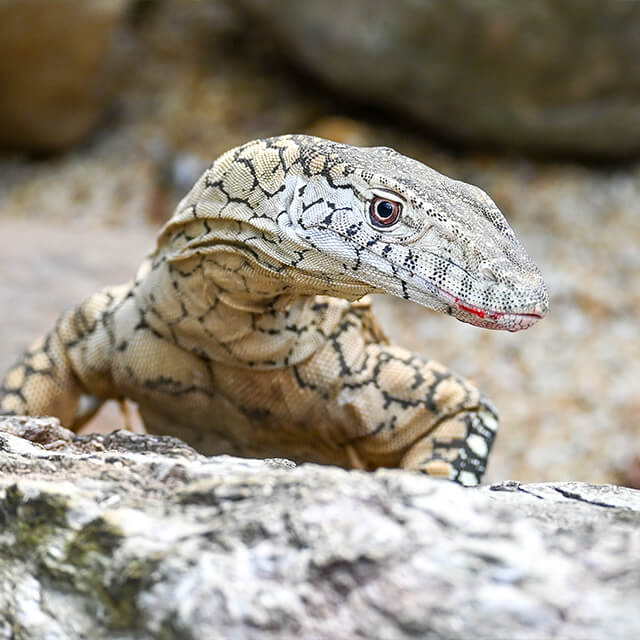
Let`s learn about Lace Monitors!
🦎 Lace monitors are the second largest lizard in Australia after the Perentie.
🦎 Lace monitors come in 2 different colour forms; standard and bells phase. Bells phase lace monitors have thick yellow and black bands.
🦎 Lace monitors lay their eggs inside termite mounds. This helps to incubate the eggs before the mother comes back to dig them up when they hatch.
Did you know that all monitors in the world are related! They are all in the same genus, Varanus. Check out three different iconic Australian Monitors here at the Zoo, the Lace Monitor, the Heath Monitor and the Largest Monitor in Australia, the Perentie!
Go to our Website to book your tickets Now!
#lacemonitor #varanusvarius #hallsgapzoo #visitgrampians #visitmelbourne

‼️Volunteer Applications Open‼️
We are looking for some passionate and enthusiastic volunteers to join the team here at Halls Gap Zoo! 🦒🦦🦘🦅🐍
Gain hands-on experience and learn from our dedicated keepers across all rounds at the Zoo (+ cuddle some cute critters)
We can`t thank our volunteers enough for all of the hard work that they do. It really makes a difference for both our keepers and animals. 🫶
We have only a few limited spots available! 18+ only.
Go to the Volunteer section on our Website to Apply Now!
#hallsgapzoo #volunteer

Did anyone tell you it’s almost December 🙀🎄🎅
Buy the kids something they’ll really remember….
Voucher available online https://hallsgapzoo.com.au/shop/gift-voucher/
#hallsgapzoo #visitmelbourne #visitgrampians


Our keepers work hard to keep our exhibits well maintained.
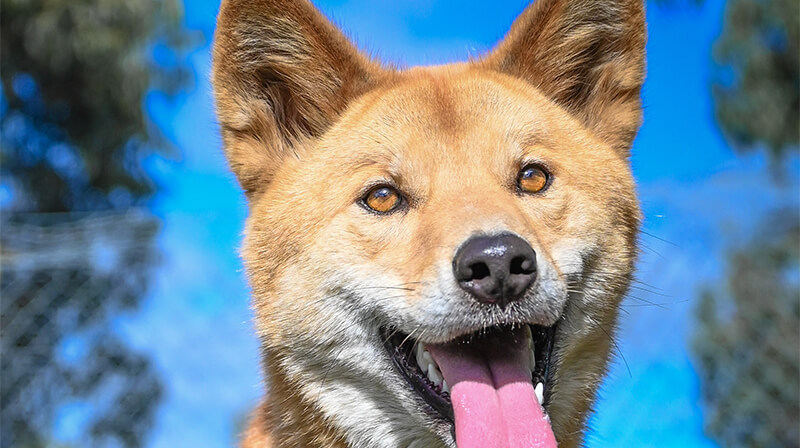
You, our visitors aren’t the only ones that enjoy them. Daku, one of our three male dingoes loves the smell of freshly mowed grass. 🍀🍂
Learn more about dingoes and their unique personalities in a Dingo Encounter. Head over to our website now to book your Encounter!
#hallsgapzoo #dingo #visitgrampians #visitmelbourne

You guys asked for it and here it is- a toy version of Pumba our Scottish highland bull and it’s already stealing hearts 💕
Even though Pumba is a big strong boy and we thought he would love it turns out there’s only room for one Pumba at the zoo but that’s ok this soft, squishy and full of charm replica is the perfect cuddle buddy for all cattle lovers out there.
Grab yours before they all wonder off the shelf! #hallsgapzoo #scottishhighland #grampians

FAST FACT FRIDAY
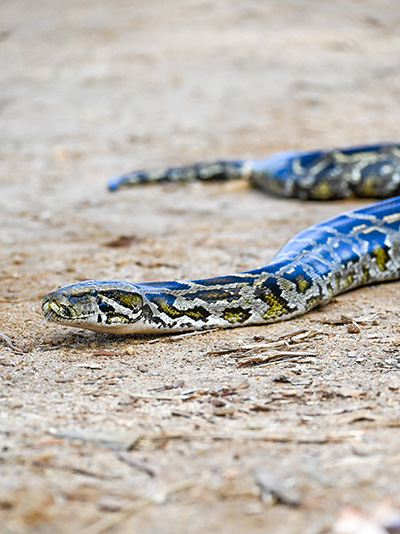
Burmese pythons:
🐍 They can get up to 5m long and over 75kg
🐍 They are great swimmers and can stay underwater for up to 30 minutes
🐍 Being pythons they do not have venom and will kill their prey by constricting them.
We have 2 Burmese Pythons here at Halls Gap Zoo and in the summer months you may be lucky enough to see us take Doug out for a walk and truly get an appreciation for his size even though he is only a tiny 35kg he still takes at least 3 keepers to carry him.
#hallsgapzoo #burmesepython

📢 Early Closure Notice
We are closing early today for staff training to help our team continue providing the best possible service to you.
The Zoo will be open from 10am until 4.15pm on the 12th November.
We will reopen at our regular hours tomorrow. Thank you for your understanding and continued support!

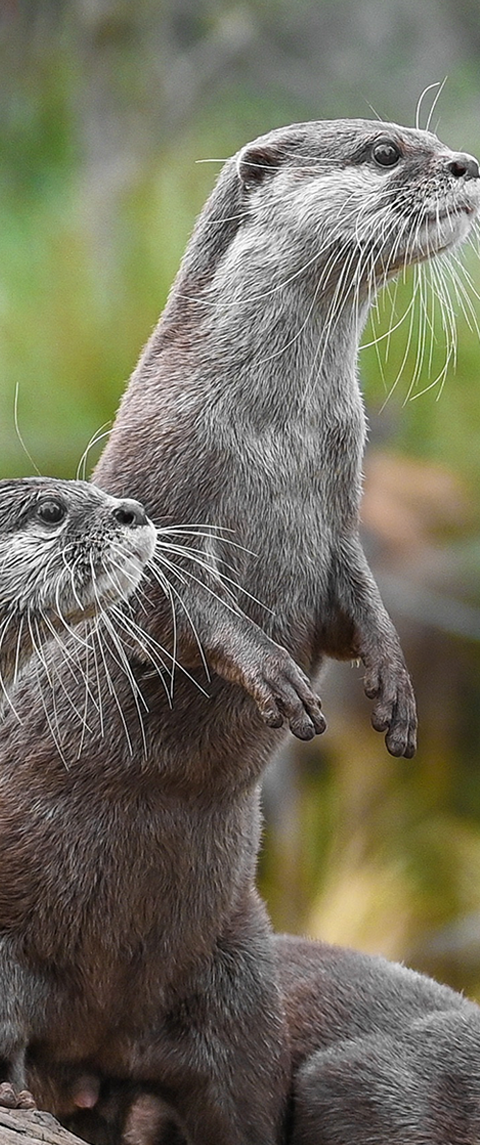
Treat yourself with a magical experience up close and personal with our Otters here at Halls Gap Zoo!
Tong feed our girls their lunch and learn from our experienced carnivore keepers during an Otter Encounter. If you’re lucky enough you might get the chance to hold their hands, they’re softer than you can imagine!
Book now at: https://hallsgapzoo.com.au/shop/otter-encounter/
#hallsgapzoo #otter #otterencounter #visitmelbourne #visitgrampians

A reminder that we are OPEN 10am-5pm everyday except Christmas Day.
If you are looking for a fun day out, we have animal encounters, keeper talks and our food van is open today.
See you all soon
#hallsgapzoo #zoo #grampians #publicholiday

👻🎃 Don’t let those sweet faces fool you… Our Otters have a spooky side! 😱🦦
When the lights go down, they turn into tiny water goblins sneaking, splashing and plotting their next fright for keepers!
Are they cute? Always.
Are they spooky? For keepers walking into work…everyday but for guests just enough for Halloween. 🎃
Happy Halloween from our hauntingly adorable otters!
#hallsgapzoo #halloween #booatthezoo

🌧️ Rainy Days at the Zoo 🌧️
While the rain might send most people indoors life at the zoo carries on but we are just a little soggier! ☔
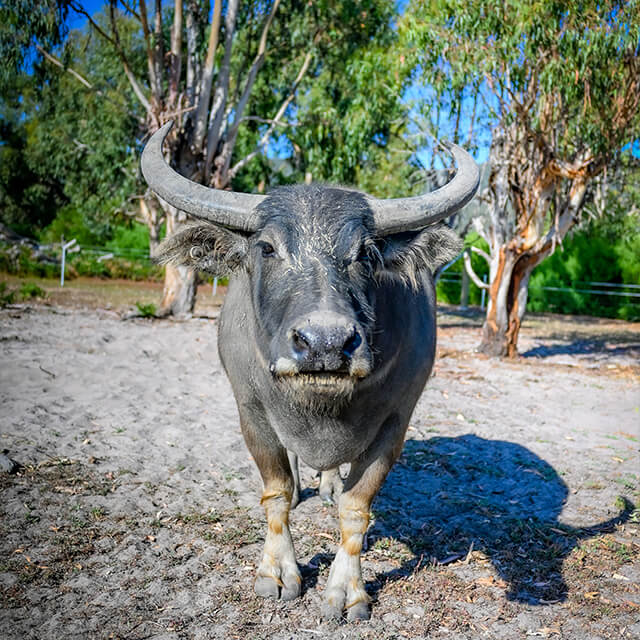
Some of our animals actually enjoy a good drizzle eg. The Water Buffalo make sure the job gets done properly while others enjoy it from the comfort of their shelter.
For the zookeepers, rainy days mean a bit more mud on the boots and suddenly everyone needs to read SOP’s 🤪
They make sure everyone stays cozy and well fed and that all the shelters are snug and dry.
So even when the rain pours, there’s always plenty of life and laughter behind the scenes at the zoo!

Spring is well under way here at the Zoo with so many new cute little faces!
Pack yourself a lunch and come and enjoy the weather. See how many babies you can spot. How cute are these baby Chinese Geese Goslings and Jungle Fowl Chicks!
#hallsgapzoo #chinesegeese #junglefowl #visitgrampians #visitmelbourne #babyanimals

It’s official, the votes are in!
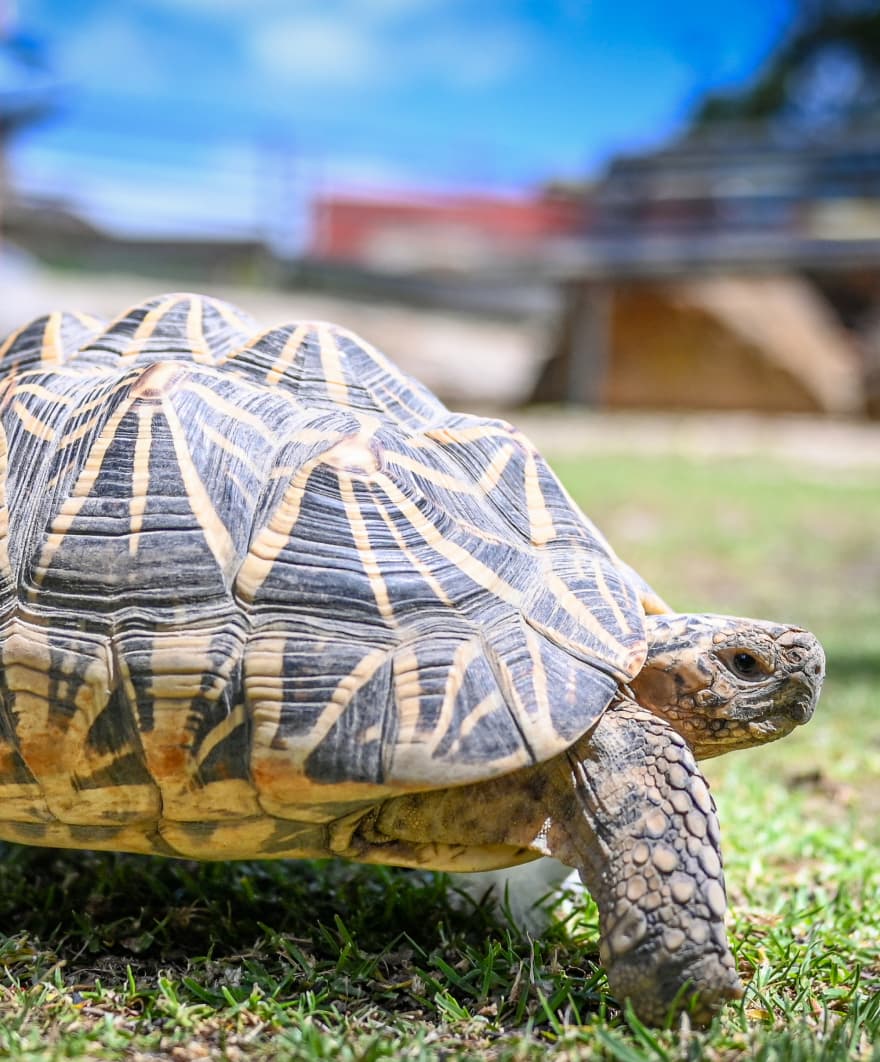
After much deliberation, we have agreed on the names for our new baby Indian Star Tortoises and Himalayan Tahr…
We’d like to thank everyone who commented on our recent facebook posts and joined in during the baby shower, we have loved all the suggestions.
We are delighted to introduce you to Terrance, Jharal and Marcous our Himalayan Tahr and Tortellini, Voldertort and Speedy our Indian Star Tortoises
#hallsgapzoo #startortoise #tahr #grampians

Thankyou everyone who put in suggestions to name our 3 new Star Tortoises 🌟
All our keepers are now voting and we will let you know the results soon.
#hallsgapzoo #startortoise #schoolholidayfun

🪶 Ok… who blinked and let these guys grow up so quick?! 👀
Our baby emus aren’t so little anymore and we can’t believe how fast they’ve grown, come and see them these school holidays before they loose their adorable stripes and if your lucky enough they may even come over for some food (food available at the front desk).
📸 Keeper Caroline
#hallsgapzoo #babyemus #schoolholidays #Grampians

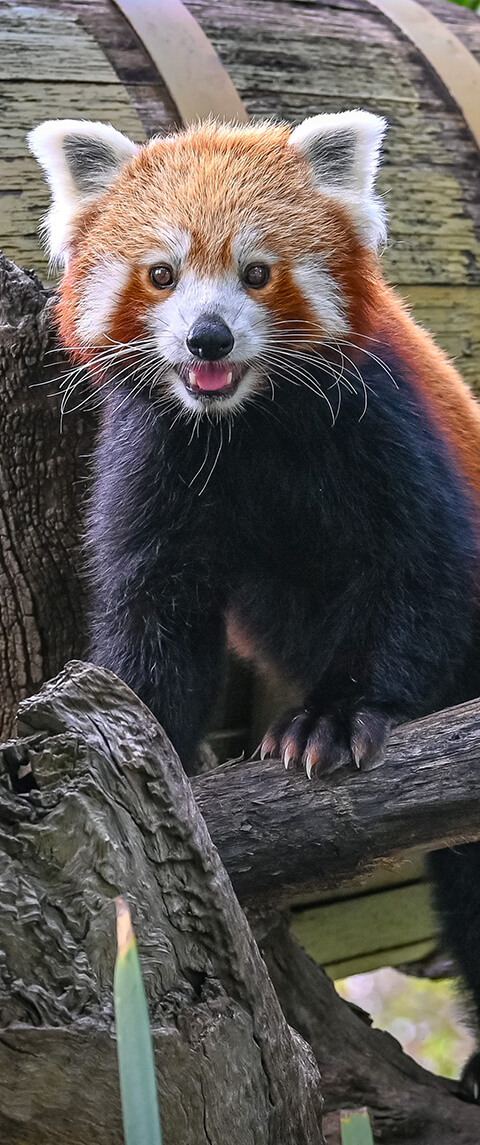
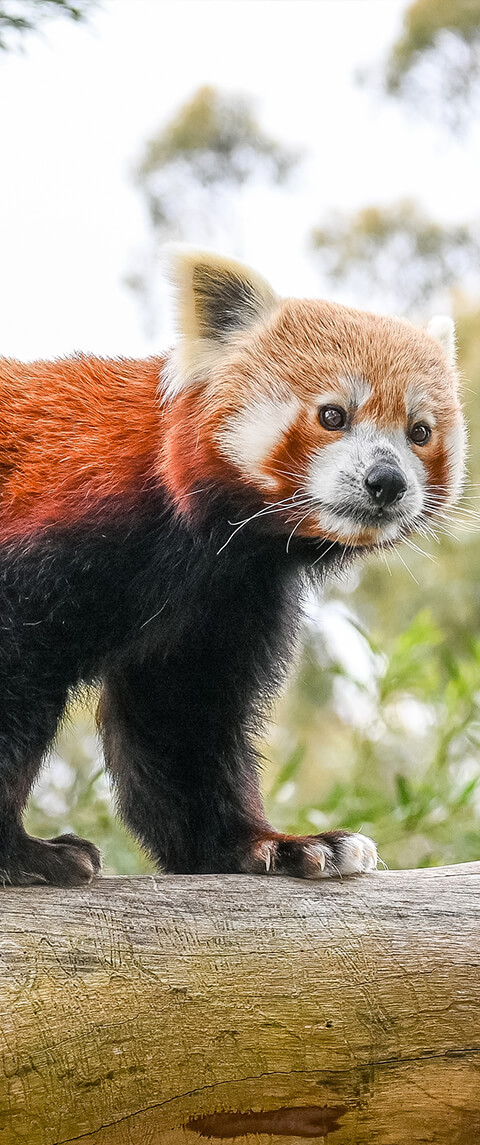
🐾🎉 It’s International Red Panda Day and what better way to celebrate than by booking an encounter to meet one our very own dynamic duo!
With fluffy tails, little paws, and endless charm, our Red Pandas are ready to steal your heart (and maybe a snack or two). 🌟💕
Trust us when we say this is one encounter you will not forget.
#hallsgapzoo #encounter #redpanda #schoolholidays #experiences

Beautiful spring day the animals are loving the morning sun.

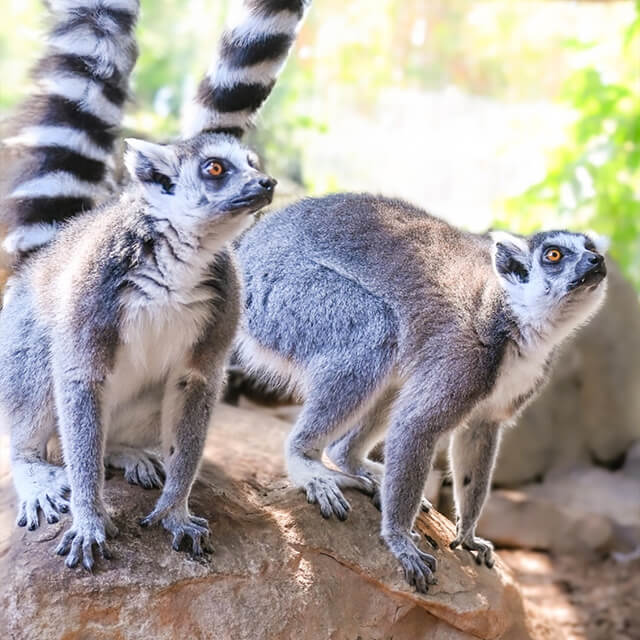
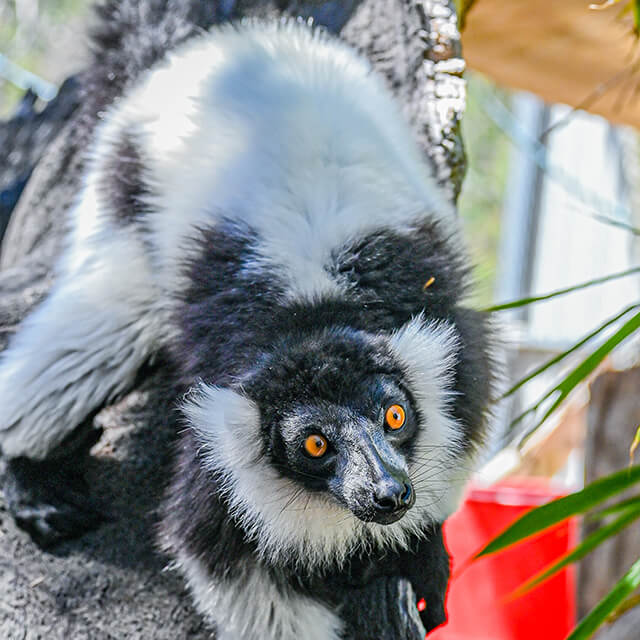
If your friend chews this loud, it’s annoying… but when a lemur does it, it’s the cutest thing ever. 💕🙊 #hallsgapzoo #lemur

Say hello to our newest additions.
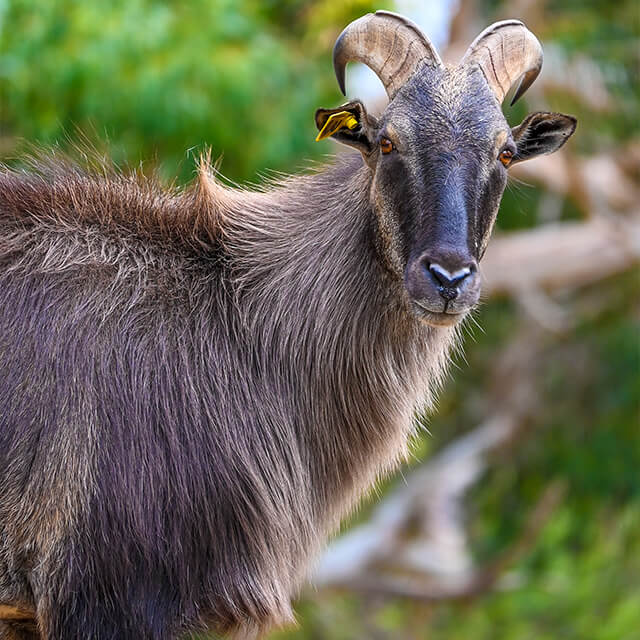
We recently welcomed 3 new young Tahr who have settled in well with our 2 older boys. Aren’t they just adorable? 🥰
They are still yet to be named so if you have a suggestion leave a comment below 👇
#hallsgapzoo #tahr #newanimals

🌧️ Father’s Day is almost here! While the forecast is looking a little gloomy for Sunday, why not make the most of the sunshine beforehand and plan your visit for Saturday? ☀️🐾
Bring Dad along for an adventure at the zoo this weekend it’s the perfect way to spend quality time together before the weather turns.
And if you’re still looking for the ultimate gift, our animal encounters make an unforgettable present that Dad will never forget. 🦏🦒🐆🐍
🎟️ Book your encounters now and give Dad a wild experience this Father’s Day!
#hallsgapzoo #fathersday #familyday #encounter #presentfordad

How amazing is it that we get to inspire the next generation of zookeepers, it is a good reminder that the love for animals and conservation starts early.
Don’t they look the part all dressed up for book week at school 🥰
Check out our Zoo Keeper for a day program to see what a day looks like for our Zookeepers and get up close to a range of different species.
#minikeepers #hallsgapzoo

🐾 Ever wondered what it’s really like to be a zookeeper? 🦓🦒🐒
Now’s your chance!
Drop your questions for our amazing zookeepers in the comments below ⬇️
They’ll be answering everything from fun animal facts to what a day in the life of a keeper looks like.
What have you always wanted to know?
We will video our keepers answering your questions and post it in the coming weeks.

Nothing but sunshine all weekend long ☀️
Now is the time to get to the zoo and see the adorable Emu chicks before they grow any bigger (it happens way too fast).
#hallsgapzoo #emubabies #grampians

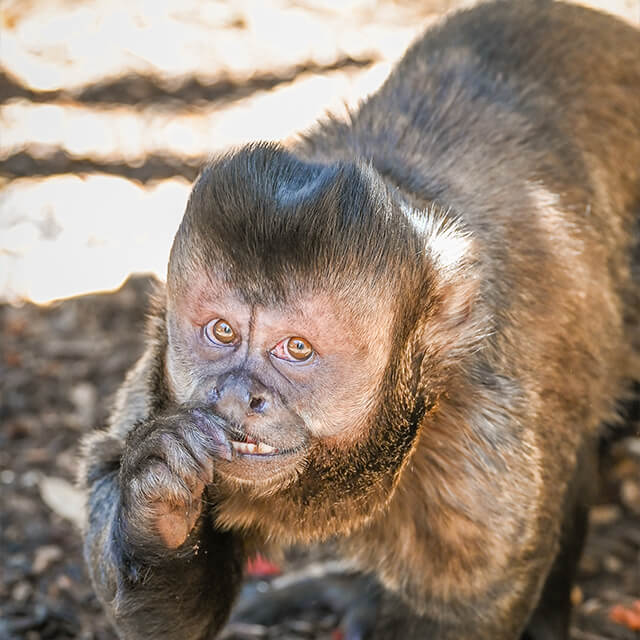
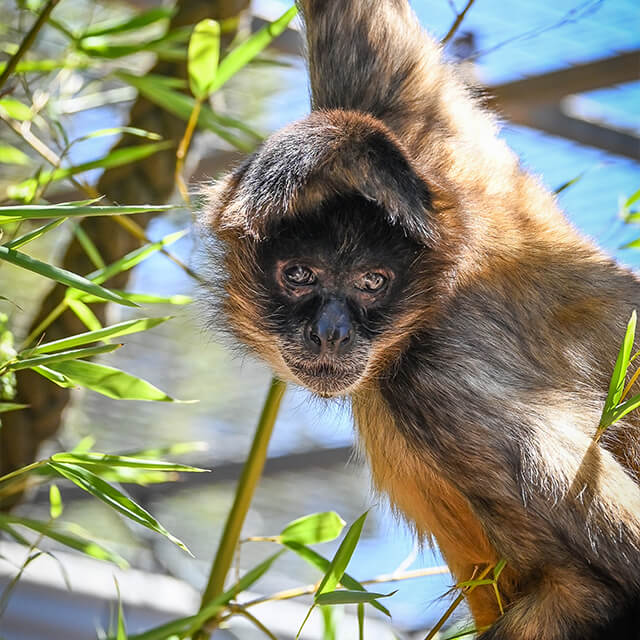
Polo puts the cheeky into cheeky monkey 🙈 #hallsgapzoo #capuchin

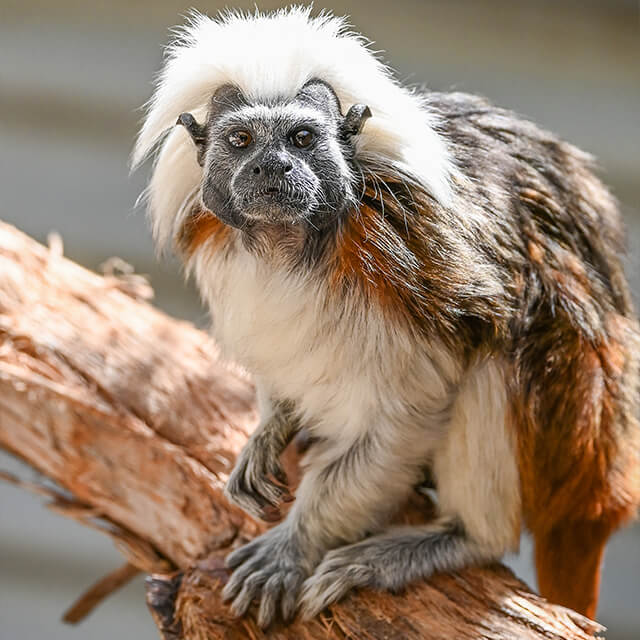
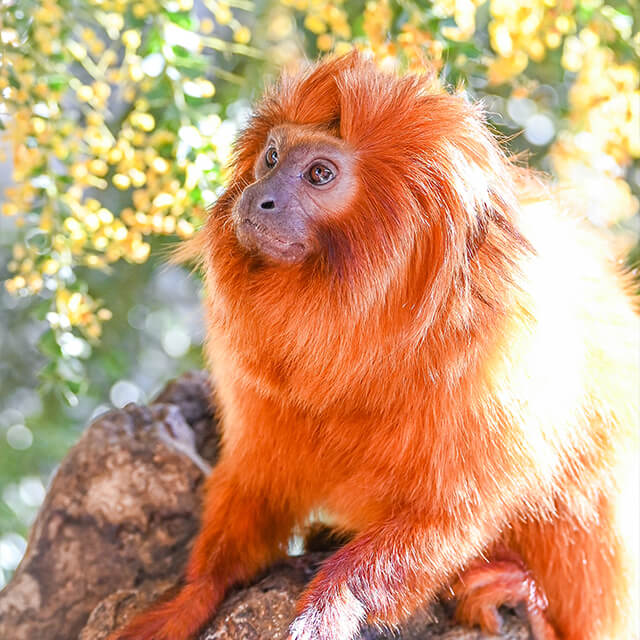
It’s International Golden Lion Tamarin day 🎉
Today we celebrate such amazing creatures that we are so lucky to be able to work with.
#hallsgapzoo #goldenliontamarin #internationalgoldenliontamarinday

✨✨✨FAST FACT FRIDAY✨✨✨
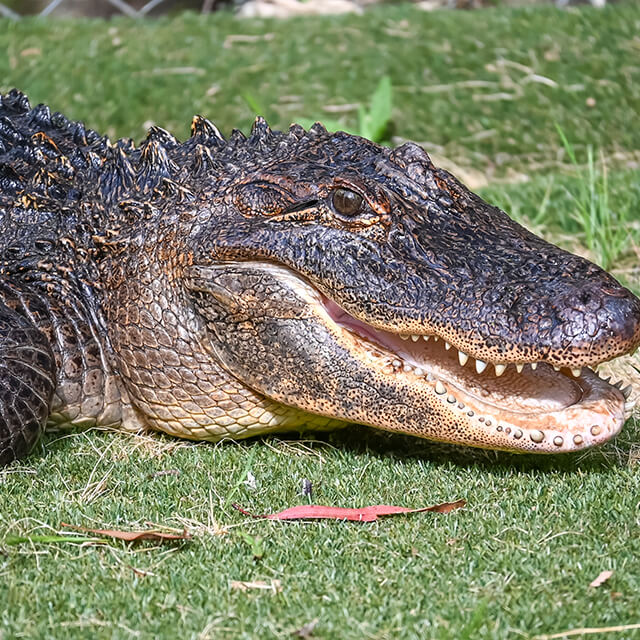
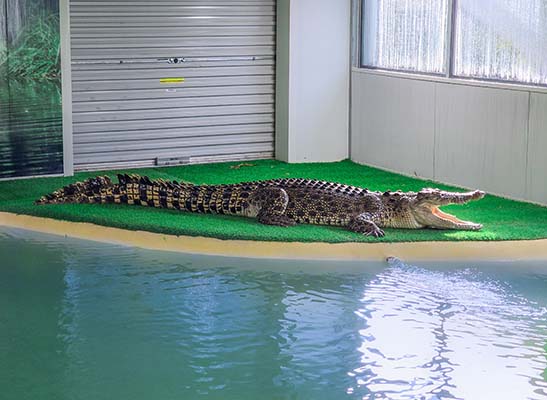
🐊Saltwater crocodiles can grow up to 7m in length and weigh over 1,000kg 😱
🐊These guys are ambush predators and will patiently wait for the right time to strike they can hold their breath for hours underwater.
🐊Only 1% of hatchlings will make it to adulthood
Remember to be crocwise when in croc country
#hallsgapzoo #saltwatercrocs #becrocwise

How good was that rain?? Our dams are actual dams and no longer holes in the ground BUT this weekend is looking to be nothing but gorgeous winter sunshine 🌞 the animals are sure to be out and about sunning themselves so pop in and say hello maybe even book that encounter you’ve been wanting to do and enjoy spending the day out of the house as we all know that sunshine + animals= The perfect day
Book now via our website (link in our bio)
#hallsgapzoo #encounters #grampians

Everything’s better when we’re together 💜
#hallsgap #hallsgapzoo #visitvic

Kingston clearly isn’t paying the hay bills 🤑🤑
He sure does love a good hay hat and I have to say we think he looks quite handsome.
#hay #rhino #visitmelbourne #encounter

✨✨✨FAST FACT FRIDAY✨✨✨
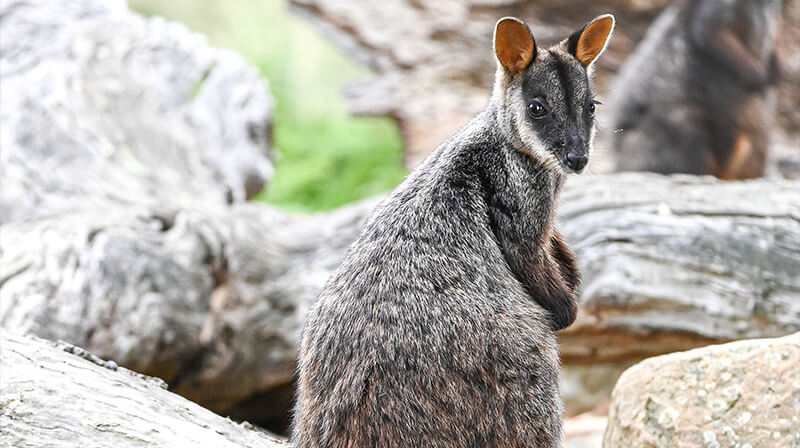
Brush Tailed Rock Wallaby:
🦘 As the name would suggest, these wallabies live in shrubbed areas close to rocks and cliffs, which they will escape to when hiding from predators.
🦘The southern brush-tailed rock wallaby is critically endangered. Victoria has roughly 50 individuals left in the wild. In 2008 a few individuals were reintroduced back into the wild in the Grampians National Park and are closely monitored.
🦘Brush-tailed rock wallabies live in groups with one male and many females. When a male joey is born, it will live with the group until maturity and then disperse to find a new group.
We have 10 Brush Tailed Rock Wallabies here at Halls Gap Zoo and they are amazing at hiding in their rocky habitat try to spot them all next time you are visiting.

Just a reminder that our food van is open everyday of the school holidays from 10am-2pm, grab your coffee or hot chocolate to sip on and keep you warm on these winter days as you walk around the zoo.
#coffee #schoolholidays #zoo #animals #encounters #grampians #glowfestival
